
Post Surgery Physiotherapy: The Complete Guide You Wish You Had Earlier
Put simply, post surgery physiotherapy is a structured rehabilitation process designed to help your body heal correctly after an operation.
Recovering after surgery is rarely a straight line. Some days feel hopeful… and others feel like you’re starting all over again. If you’re trying to rebuild strength, reduce pain, or simply get back to normal life, you’re not alone.
At Prime Physiotherapy And Pain Relief Clinic, we meet patients every day who feel confused, overwhelmed, or worried about their recovery path.
This is where post surgery physiotherapy becomes more than a treatment—it becomes a lifeline.
In this guide, you’ll learn exactly what it is, why it matters, and how you can confidently move forward with the right plan, mindset, and expert guidance.
What Is Post Surgery Physiotherapy?
Think of it as teaching your body how to move again—safely, naturally, and step by step.
You’ve had a knee, shoulder, or spine surgery. The pain reduces over time, but stiffness, weakness, and fear of movement remain. Without guided rehab, the body compensates, muscles weaken, and normal movement patterns fade. This is how people end up with long-term discomfort or limited mobility—even after a “successful” surgery.
Physiotherapy stops that cycle before it starts, helping you regain strength, flexibility, and confidence.
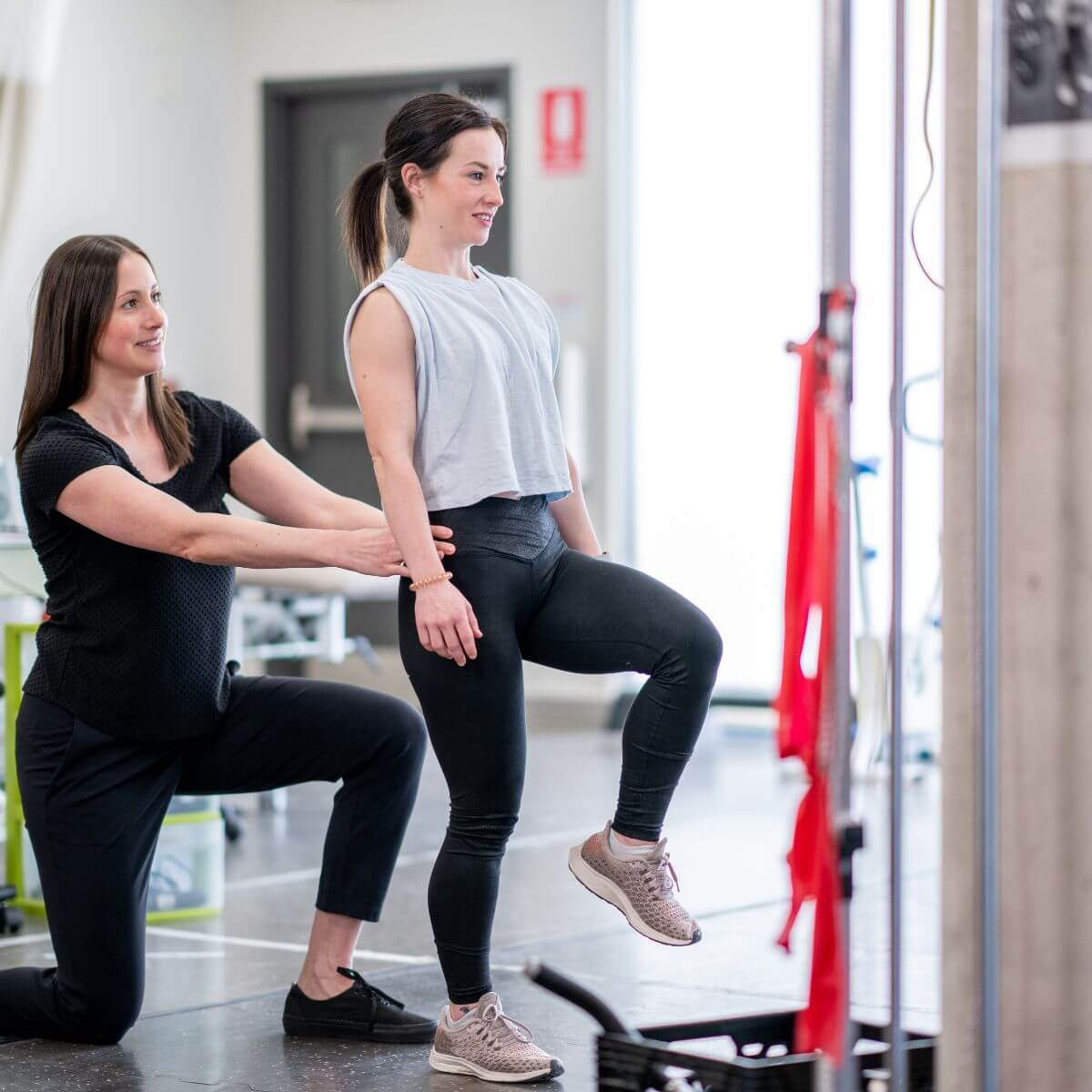
Why It Matters for Users and Patients
In the real world, recovery doesn’t depend only on the surgeon’s skill. What you do after surgery determines the long-term result.
Here’s the truth we see often at Prime Physiotherapy And Pain Relief Clinic:
A patient undergoes a fracture repair—say, a fracture tibia post surgery physiotherapy case.
The bone heals, but the person still limps months later. Why? Because the muscles, tissues, and joints weren’t properly retrained.
Another example: someone gets spine surgery. Pain decreases but fear takes over. Without guided rehab, their posture collapses, movements become guarded, and new pains develop.
This is why post surgery physiotherapy is not optional—it’s essential.
It’s not just about healing. It’s about restoring your life.

Key Benefits
Here are the major advantages patients experience when they follow a proper post surgery physiotherapy plan:
Faster, safer recovery
You avoid setbacks, stiffness, and unnecessary pain.Improved range of motion
Surgery often restricts joint movement—physiotherapy brings it back.Stronger muscles
Atrophied (weakened) muscles wake up and rebuild strength.Better balance & stability
Especially crucial after leg, spine, and hip surgeries.Lower risk of re-injury
You learn safer movement patterns.Pain reduction
Not just with therapy—also through posture correction and mobility work.Return to daily activities sooner
Whether it’s walking, working, or exercising.

Here’s a realistic breakdown of what a proper post surgery physiotherapy program looks like:
Here’s the exact process a good physio follows (and what you should expect):
Your physiotherapist evaluates your pain, swelling, mobility, and weakness. Based on this, a personalized plan is created.
This stage includes:
• Gentle mobility
• Breathing exercises
• Cold/heat therapy
• Swelling reduction techniques
• Guided movement to prevent stiffness
You’ll work on:
• Joint mobility
• Flexibility
• Muscle activation
• Balance training
Patients start noticing major improvements in this stage.
Strength training becomes more focused and progressive. For cases like fracture tibia post surgery physiotherapy, this stage is critical to restore proper walking.
You gradually relearn essential daily movements—walking confidently, climbing stairs, bending, lifting, and more.
Your therapist ensures you transition safely back to work, sports, or routine activities.
Pro Tips From Real Physiotherapy Experience
After 8+ years in the field, these are the insights that truly make a difference:
Start early—don’t delay physiotherapy unnecessarily.
Mild pain is normal; sharp pain is not.
Never push too hard too soon.
Small, consistent workouts beat long, irregular sessions.
Technique matters more than intensity.
Nutrition and hydration directly affect healing.
Report changes to your therapist immediately.
Celebrate small wins—they matter more than you think.
Patience and consistency are the real secrets to great recovery.
Common Mistakes to Avoid
Waiting too long to begin therapy
Doing exercises incorrectly at home
Assuming pain means “stop everything”
Skipping strengthening exercises
Comparing your recovery to someone else’s
Not communicating discomfort or difficulties to your therapist
Avoiding these mistakes can speed up your recovery significantly.
Mini Case Study
A patient visited us after tibia fracture surgery. He could barely put weight on the leg and walked with hesitation. We created a structured routine: swelling reduction, weight-bearing re-education, quadriceps activation, gait training, and strength progression.
In 12 weeks, he was walking comfortably and confidently—with no limp and no fear.
This is one of many reasons people trust post surgery physiotherapy in Faridabad when they want the safest recovery path.
FAQ's
Usually within 24–72 hours, but always follow your surgeon’s advice.
Some discomfort is expected but sharp pain is a red flag. A therapist guides you safely.
Yes, fracture tibia post surgery physiotherapy is crucial for restoring proper movement and walking.
Most patients recover basic function in 6–12 weeks with consistent physiotherapy.
Search for experienced physiotherapists, check reviews, and look for “post surgery physiotherapy near me” for nearby options.
Yes—but only after your therapist confirms that you’re doing them with correct form.
Definitely. Mobility and flexibility work are core parts of rehab.
Conclusion
Recovering after surgery isn’t just about the medical procedure—it’s about what you do afterward. With the right guidance, exercises, and expert support, you can regain your strength, mobility, and confidence step by step.
If you’re looking for personalized, expert-led care, Prime Physiotherapy And Pain Relief Clinic is here to help you heal stronger, move better, and recover safely.
You don’t have to navigate the recovery journey alone. With the right physiotherapy, you can get your life back—one step at a time.
TESTIMONIALS
What Customer Say
About Us
Trustindex verifies that the original source of the review is Google. Thanks alottt mam for your treatment...I feel much better after taking treatment from you...very good environment and best place for your pain to say tata bye bye ..thnks alott mam😘😘Posted on GoogleTrustindex verifies that the original source of the review is Google. Superb treatment by Dr Shikha of my Cervical pain. 10 out 10Posted on GoogleTrustindex verifies that the original source of the review is Google. Good fitmentPosted on GoogleTrustindex verifies that the original source of the review is Google. Great experiencePosted on GoogleTrustindex verifies that the original source of the review is Google. Great experience...Posted on Google
Don't hesitate to contact our expert.
Don’t let pain hold you back from living your best life. Whether you’re an athlete recovering from an injury, a professional with posture issues, or a senior citizen aiming to improve mobility, our team is ready to help.
(+91) 85879 02660
(+91) 87006 06622

Our Services
Get In Touch
- E-73, Air Force Rd, Feroz Gandhi Colony, Sector 50, Faridabad, Haryana 121001
- primephysiotherapyclinic99@gmail.com
- (+91) 85879 02660, (+91) 87006 06622
Copyright© 2025 Prime Physiotherapy And Pain Relief Clinic. All rights reserved | Powered by Veeam Techno