
Physiotherapy for Sciatica: A Complete Expert Guide to Pain Relief & Recovery
Physiotherapy for sciatica focuses on reducing this pressure, calming inflammation, strengthening weak muscles, correcting alignment issues, and restoring natural movement. Instead of masking the pain, it fixes the underlying dysfunction.
If you’ve ever felt a sharp, burning, or radiating pain shooting down your lower back to your leg, you already know how frightening and limiting sciatica can feel. People describe it as a pain that “takes away their freedom”—making it difficult to sit, stand, walk, sleep, or even focus on daily tasks. And for many, the frustration lies in not knowing what actually works.<BR>
<BR>At Prime Physiotherapy And Pain Relief Clinic, we meet people every week who are exhausted, scared, and desperate for relief. They’ve tried painkillers, rest, or home remedies, but the relief never lasts. What they really need is a structured, expert-driven solution that treats the root cause—not just the symptoms.<BR>
<BR>That’s exactly what this guide is about. We’ll walk you through how physiotherapy for sciatica works, why it’s one of the most effective treatments available, and the practical steps you can start using today.
What is Physiotherapy for Sciatica?
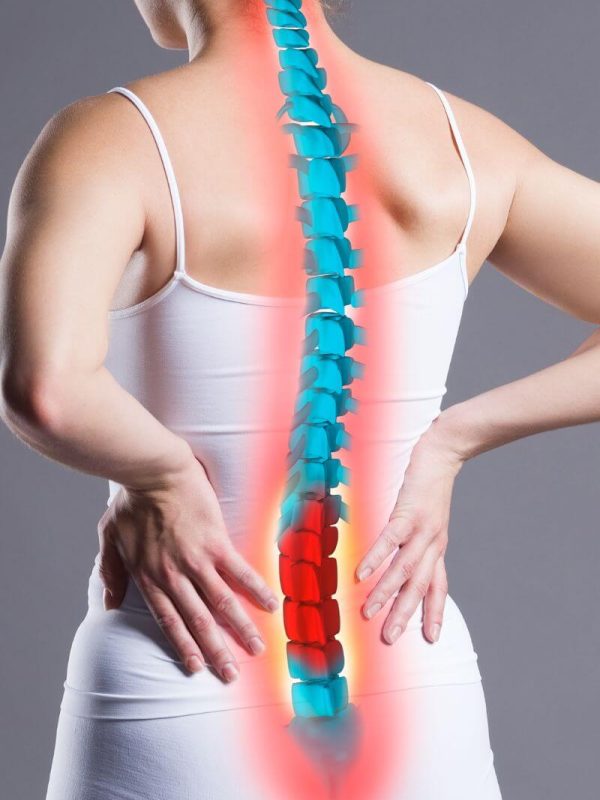
Sciatica isn’t just “back pain.” It’s nerve pain caused by irritation or compression of the sciatic nerve—the longest nerve in your body. This nerve runs from your lower back, through your buttock, behind your thigh, and down to your foot. When this nerve gets compressed, you feel pain anywhere along its path.
Think of it like stepping on a water hose. The pressure blocks the flow, and whatever is connected to the hose gets affected. Similarly, when the nerve is “pressed,” the pain travels down.
Imagine someone whose sciatica started after lifting something heavy with poor posture—physiotherapy helps realign the spine, reduce muscle imbalance, and retrain the body to move safely again.

Why Physiotherapy for Sciatica Matters Today
People search for sciatica solutions because the pain disrupts their life. Here’s what many experience:
- Pain while sitting for long hours at work
- Difficulty bending or lifting
- Frequent leg numbness
- Sleep disturbances
- Fear of long-term damage
- Repeated flare-ups every few weeks
This is why so many search for terms like physiotherapy for sciatica near me, hoping to find reliable, accessible help.
And here’s the truth:
Sciatica often improves significantly when treated early with targeted physiotherapy. Irritated nerves respond well to guided mobility, muscle correction, and pressure-relieving techniques. The longer it’s ignored, the harder it becomes to heal.
For clinics, especially in growing cities like Faridabad, the demand for physiotherapy for sciatica in Faridabad has increased rapidly. More people are working long desk jobs, living sedentary lifestyles, or facing stress-related muscular tension.

Key Benefits of Physiotherapy for Sciatica
Here are the practical, real-world advantages patients experience:
- Pain reduction without strong medications
Manual therapy and nerve gliding techniques ease tension from the first few sessions. - Correction of movement patterns
Therapists identify the exact trigger—posture, weak muscles, tight structures—and fix them. - Faster return to work and daily life
Sciatica can take weeks or months to heal without proper guidance. Physiotherapy shortens this timeline. - Reduced risk of recurrence
Strength-focused physiotherapy exercises for sciatica ensure long-term stability. - Improved flexibility and nerve mobility
Nerve and muscle stretching reduces stiffness and compression. - Safe, natural, and evidence-based recovery
No invasive procedures, no long-term medication dependence. - Personalized treatment
Each case is different. A good therapist tailors the treatment to your pain pattern and lifestyle.
At Prime Physiotherapy And Pain Relief Clinic, we’ve seen patients go from barely being able to walk to fully resuming their active life—simply by following the right plan consistently.
Step-by-Step Guide: How Physiotherapy for Sciatica Works
A therapist checks:
• Pain type and location
• Posture
• Muscle tightness
• Leg strength
• Nerve tension
• Daily movement habits
This helps identify the root cause—disc issues, muscle imbalance, piriformis syndrome, or nerve irritation.
The first goal is pain control, using:
• Heat or cold therapy
• Manual therapy
• Soft tissue release
• Gentle mobilizations
• Electrical modalities
• Nerve gliding techniques
This reduces inflammation and nerve tension.
Weak core, glutes, and lower back muscles usually contribute to sciatica. Therapists introduce targeted strengthening exercises.
Mobility techniques focus on the piriformis, hamstrings, hip flexors, and lumbar spine. These reduce nerve compression significantly.
Patients learn:
• How to lift safely
• How to sit correctly
• How to sleep without triggering pain
• How to walk and bend properly
This prevents future flare-ups.
A simple 10–15 minute routine ensures progress continues outside the clinic.
Pro Tips from Real Expert Experience
Over the years, treating thousands of sciatica patients has taught us a few truths:
- Rest makes sciatica worse when done excessively. Movement is medicine.
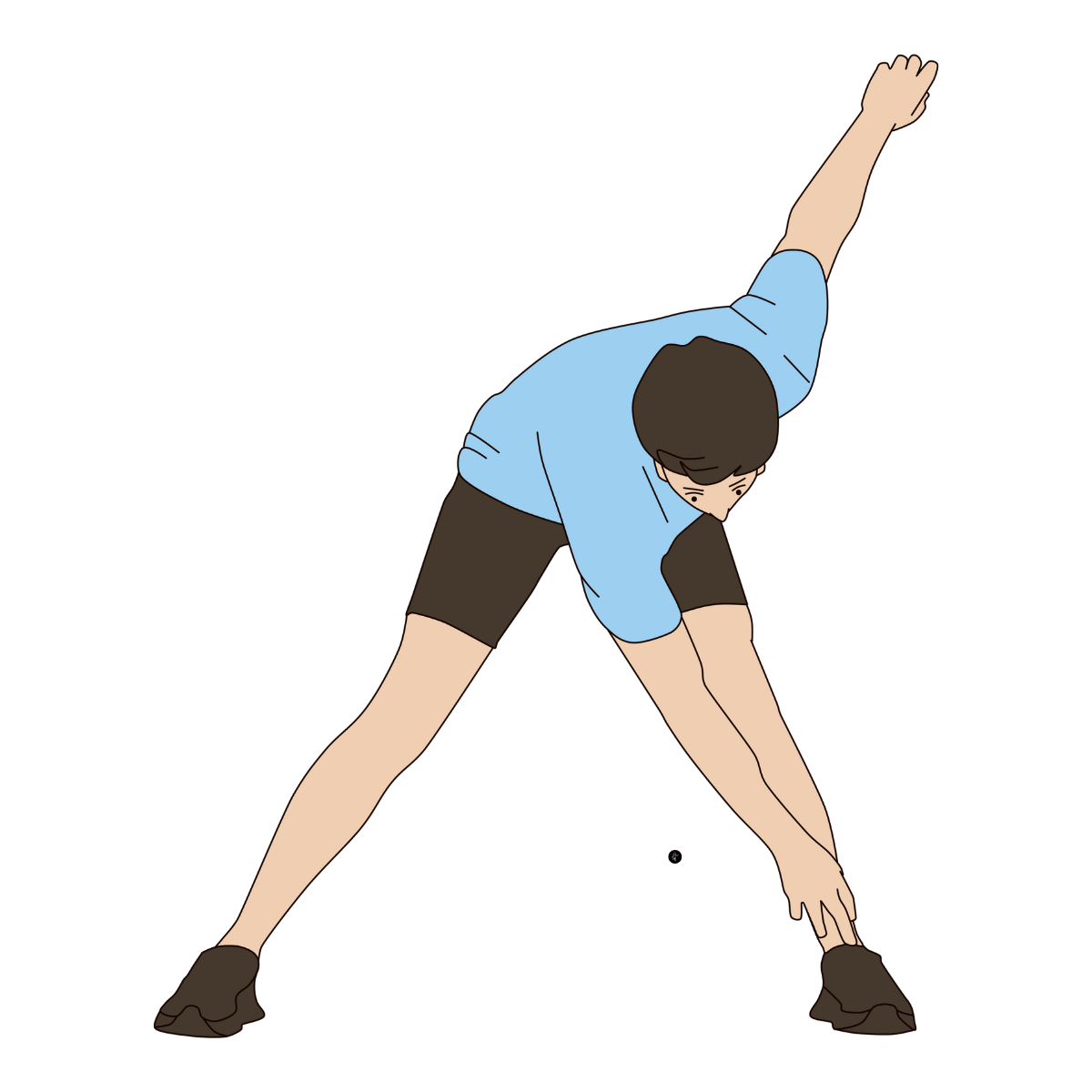
- Incorrect stretching (especially bending forward) can increase nerve irritation.
- Heat is good for muscles, but not always for nerves. A therapist decides based on symptoms.
- Never start random YouTube exercises—one wrong movement can worsen the condition.
- Strength and mobility must go together. Strength alone isn’t enough.
- Painkillers help temporarily, but in isolation they don’t fix sciatica.
- Core activation is essential—not “six-pack abs,” but deep stabilizer training.
These small details often determine whether someone recovers in 2 weeks or struggles for 6 months.
Common Mistakes to Avoid
- Sitting for long hours without breaks
Sciatica worsens with prolonged pressure on the lower spine. - Ignoring early symptoms
Numbness, tingling, and occasional leg pain are warning signs. - Relying only on painkillers
They mask pain but allow the root issue to worsen. - Overstretching the hamstrings
This often irritates the sciatic nerve more. - Self-diagnosing
Back pain and sciatica are NOT always the same; let a professional evaluate.
Stopping therapy as soon as pain reduces
The real correction happens after pain disappears.
Real-World Mini Case Study
A 42-year-old software engineer from Faridabad visited Prime Physiotherapy And Pain Relief Clinic with 3 months of radiating leg pain. He had difficulty sitting for more than 20 minutes and relied heavily on medication.
Assessment revealed:
- Weak glute muscles
- Tight piriformis
- Poor workstation ergonomics
- High nerve tension
Plan included:
- 2 weeks of manual therapy
- Nerve gliding exercises
- Ergonomic correction
- Strengthening routine
Results:
Pain reduced by 70% in the first 10 days.
Within 4 weeks, he returned to regular work without medication.
This is a typical example of how structured physiotherapy for sciatica pain can transform someone’s daily life.

FAQ's
Very effective when started early. It reduces nerve pressure, strengthens weak muscles, and prevents future flare-ups.
Yes, but only after a therapist evaluates your condition. Incorrect exercises can worsen symptoms.
Most cases improve with proper assessment and treatment. Scans are needed only if severe symptoms persist.
Most people improve in 2–6 weeks, depending on severity and consistency.
No. Muscle tightness, posture issues, or piriformis syndrome can also trigger nerve irritation.
No. Gentle movement and guided strengthening help recovery.
Yes. Many clinics, including Prime Physiotherapy And Pain Relief Clinic, offer specialized programs.
Conclusion
Sciatica can feel overwhelming, but the solution doesn’t have to be. With the right guidance, structured care, and consistent exercises, most people recover faster than they expect. What matters is choosing a trustworthy clinic that understands the condition deeply and customizes treatment to your lifestyle and pain pattern.
If you’re struggling and searching for genuine relief, physiotherapy for sciatica is one of the most reliable paths to long-term recovery—and clinics like Prime Physiotherapy And Pain Relief Clinic are here to guide you with experience, empathy, and evidence-based care.
Whenever you’re ready, take the first step toward a pain-free life. You deserve it.
TESTIMONIALS
What Customer Say
About Us
Trustindex verifies that the original source of the review is Google. Thanks alottt mam for your treatment...I feel much better after taking treatment from you...very good environment and best place for your pain to say tata bye bye ..thnks alott mam😘😘Posted onTrustindex verifies that the original source of the review is Google. Superb treatment by Dr Shikha of my Cervical pain. 10 out 10Posted onTrustindex verifies that the original source of the review is Google. Good fitmentPosted onTrustindex verifies that the original source of the review is Google. Great experiencePosted onTrustindex verifies that the original source of the review is Google. Great experience...Posted on
Don't hesitate to contact our expert.
Don’t let pain hold you back from living your best life. Whether you’re an athlete recovering from an injury, a professional with posture issues, or a senior citizen aiming to improve mobility, our team is ready to help.
(+91) 85879 02660
(+91) 87006 06622

Our Services
Get In Touch
- E-73, Air Force Rd, Feroz Gandhi Colony, Sector 50, Faridabad, Haryana 121001
- primephysiotherapyclinic99@gmail.com
- (+91) 85879 02660, (+91) 87006 06622
Copyright© 2025 Prime Physiotherapy And Pain Relief Clinic. All rights reserved | Powered by Veeam Techno